
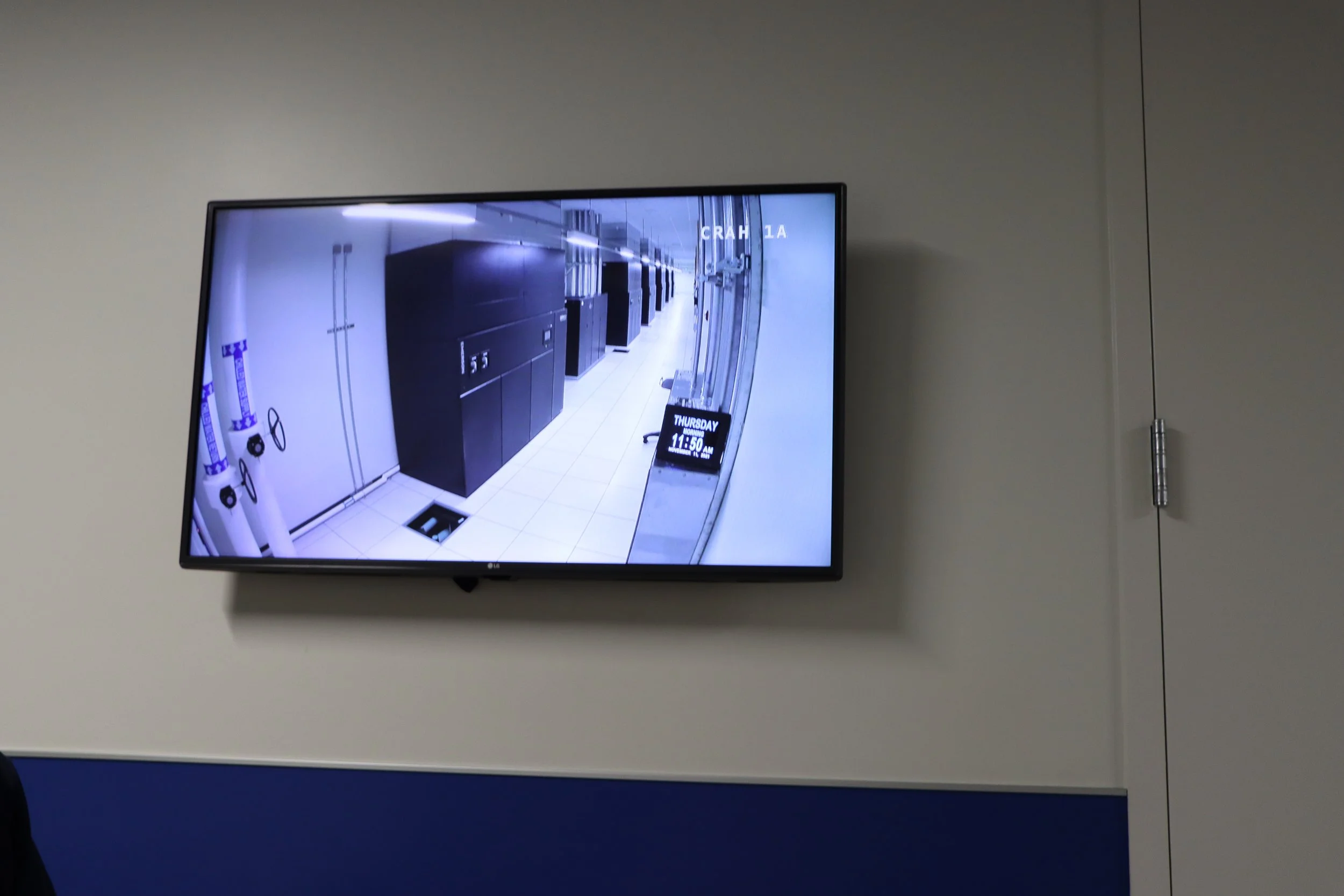
The DIGS Lab: studies the physical and political foundations of the internet. We explore how data centers, cables, and clouds are built, regulated, and powered. We dig into the foundations of digital stuff – how it’s made, how its governed, and how in turn digital worlds make us. Our research aims to make digital infrastructure more transparent, sustainable, and fair.
Who we are
The DIGS Lab is a transdisciplinary collective of researchers, students, and practitioners investigating the connections between digital governance, materiality, and societal impacts.
The DIGS Lab is directed by Dr. Lauren E. Bridges, Assistant Professor of Media Studies. Current members include: Jack Hauger, Grace Gould, Catarina Coelho Herrera, and Bella Scorsone.
What we study
Our work is organized around these key themes and questions:
Material Media Ecologies: What are the environmental costs, energy flows, and geological impacts of digital infrastructure? How does the materiality of digital infrastructures generate new or novel ecological relations? What new or existing social relations are enrolled in the building and maintenance of global digital infrastructures?
Community Resilience: How do digital infrastructures facilitate or hinder community resilience? Do marginalized neighborhoods experience disproportionate impacts of digital infrastructure growth and what policy mechanisms can mitigate this disparity? What participatory decision‑making models empower residents to co‑design resilient infrastructure policies and maintenance regimes?
The Politics of Digital Infrastructure: How and where are digital infrastructures built, under what conditions, and to what effect? How do local, national, and international laws – covering energy, zoning, water use, and taxes – shape the growth and impact of digital infrastructures? What are the informational challenges around digital infrastructure development and their impacts?
Sustainability & Geography: What are the environmental footprints of data centers, AI, and digital media technologies? How does resource availability (like water and energy) and geographic location influence infrastructure development? Who controls these critical resources, and who has access to them? How do infrastructure decisions reinforce or reduce digital and societal divides?
DIGS lab Projects:
This work was made possible in part by support from: